PRESERVATION · 01
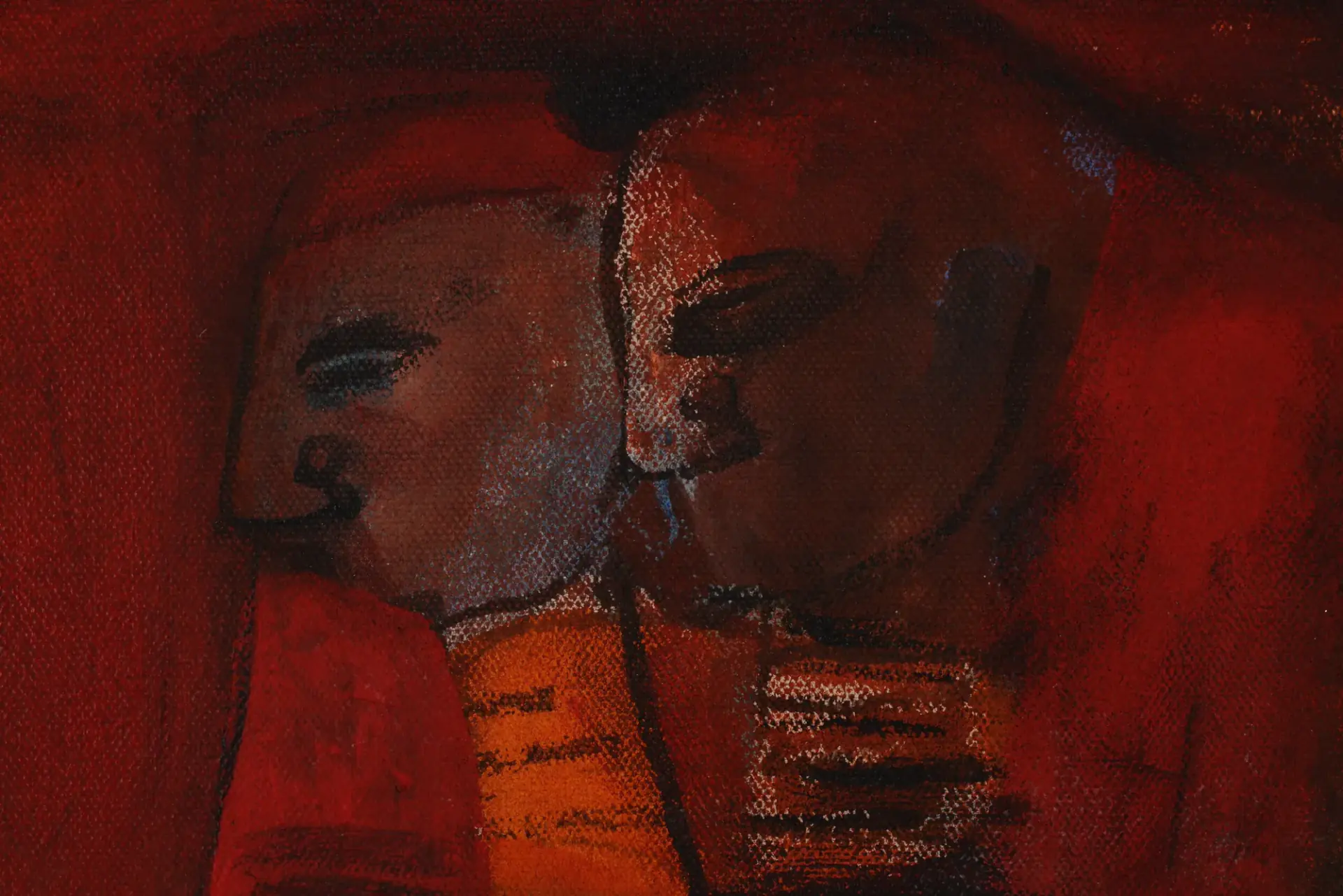
A Jar
Time in suspension.
The Pickled Fish Museum
00
00 · PROLOGUE
A research-led, preservation-first institution building the intellectual and archival infrastructure for the modern and contemporary art histories of Telangana and Andhra Pradesh.
Parallel Modernisms and Contemporary Afterlives of the Deccan, Coast and Rayalaseema
Two states. Three geographies. Many modernisms.
Most galleries ask what a painting is worth.
We exist to build something that does not yet exist: the intellectual and archival infrastructure for the modern and contemporary art histories of Telangana and Andhra Pradesh.
Much of that history is undocumented, dispersed, or at risk of being lost — held in private collections, family memory, untranslated papers and unrecorded lives. Before it can be exhibited, valued or understood, it must first be found, preserved and researched.
That is the work we have set ourselves.
From here, that work has a shape. We are building a verified archive of artists connected to this region — through fieldwork, exhibition records, and family and institutional archives. We are recording oral histories with artists, students, printers and collectors while that memory is still reachable. We are translating Telugu criticism, correspondence and catalogues into English without discarding the originals. And we are documenting the institutions — schools, presses, studios — with the same rigour as the artists themselves.
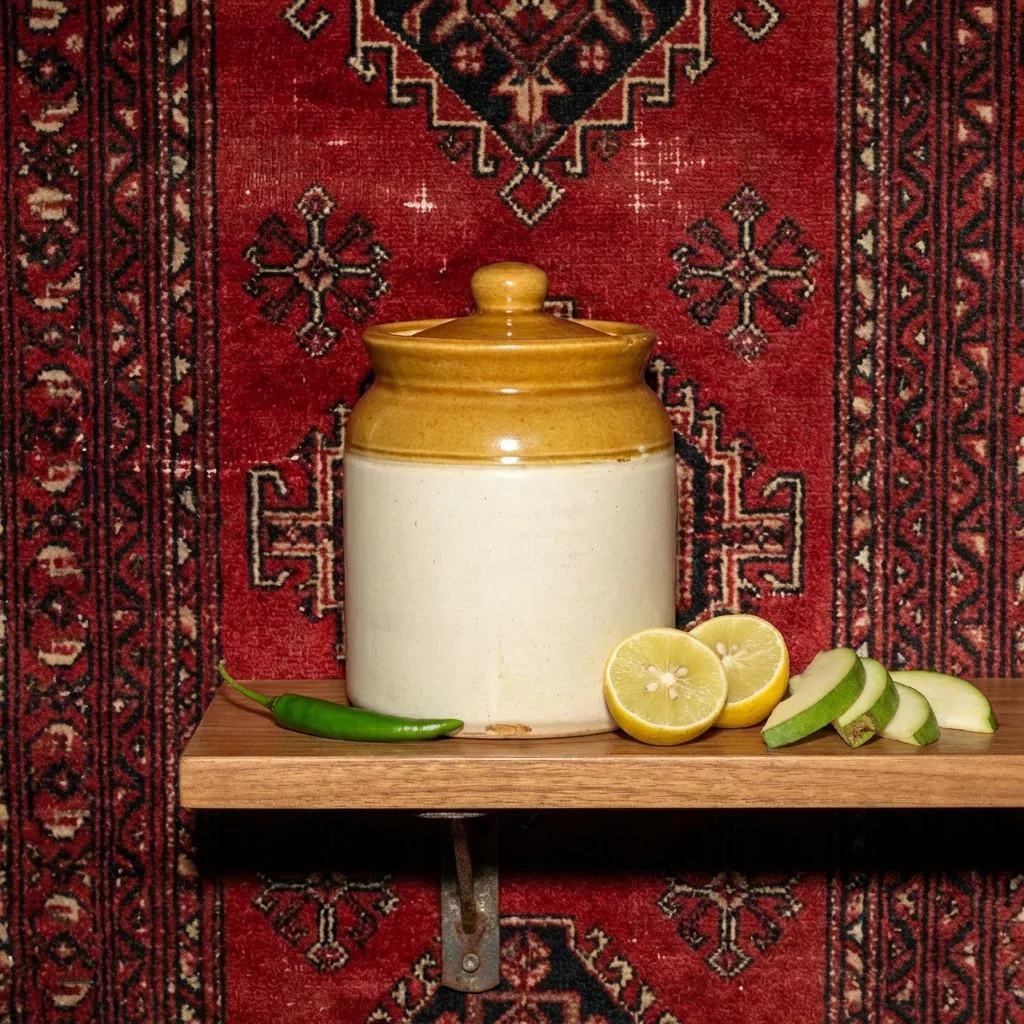
In India, pickling is an inheritance. A recipe outlives its maker. So does art.
A jar holds time in suspension — not to freeze it, but to keep it alive long enough to be understood. We treat paintings, photographs, letters, catalogues, oral memory and the ordinary evidence of a working life the same way: as things worth preserving before they are lost, and worth interpreting once they are safe.
Not a hall. A jar. Not a relic. A living record.
PRESERVATION · 01
A Jar
Time in suspension.
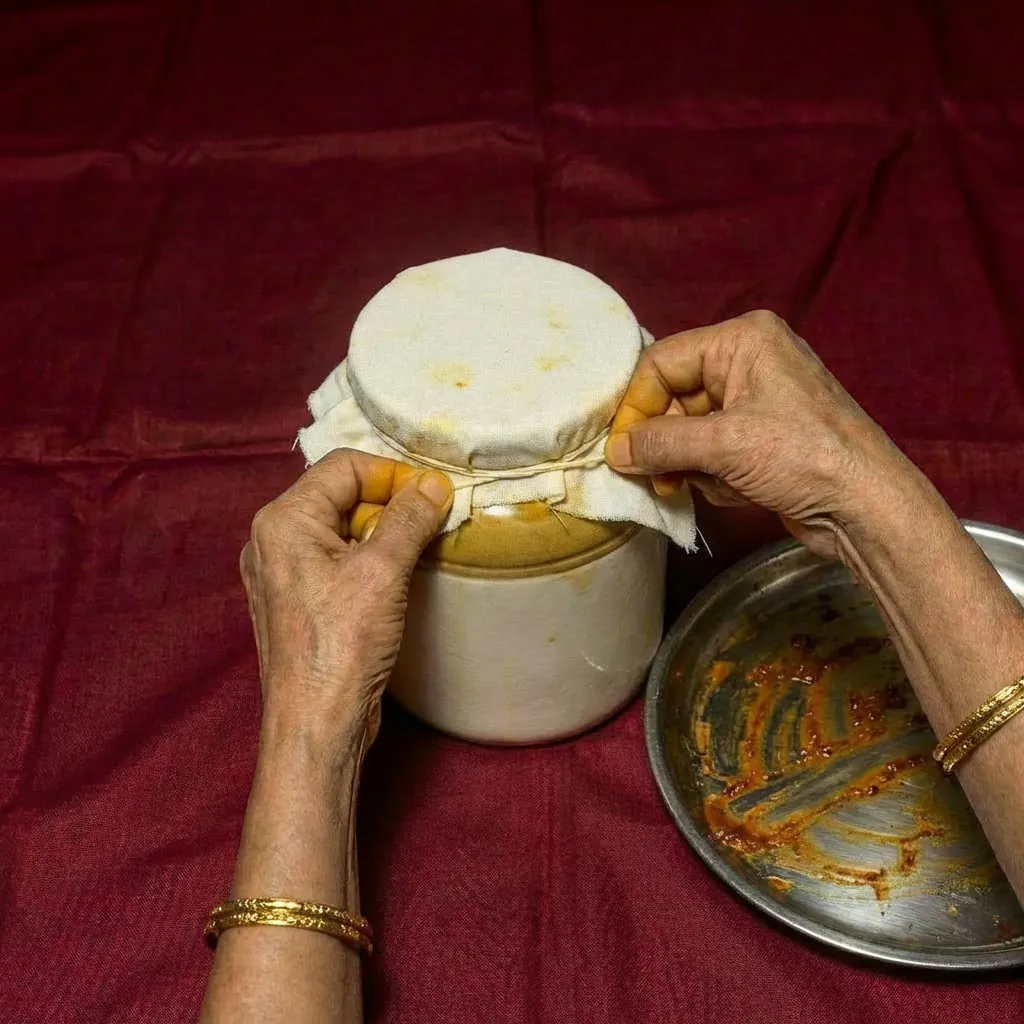
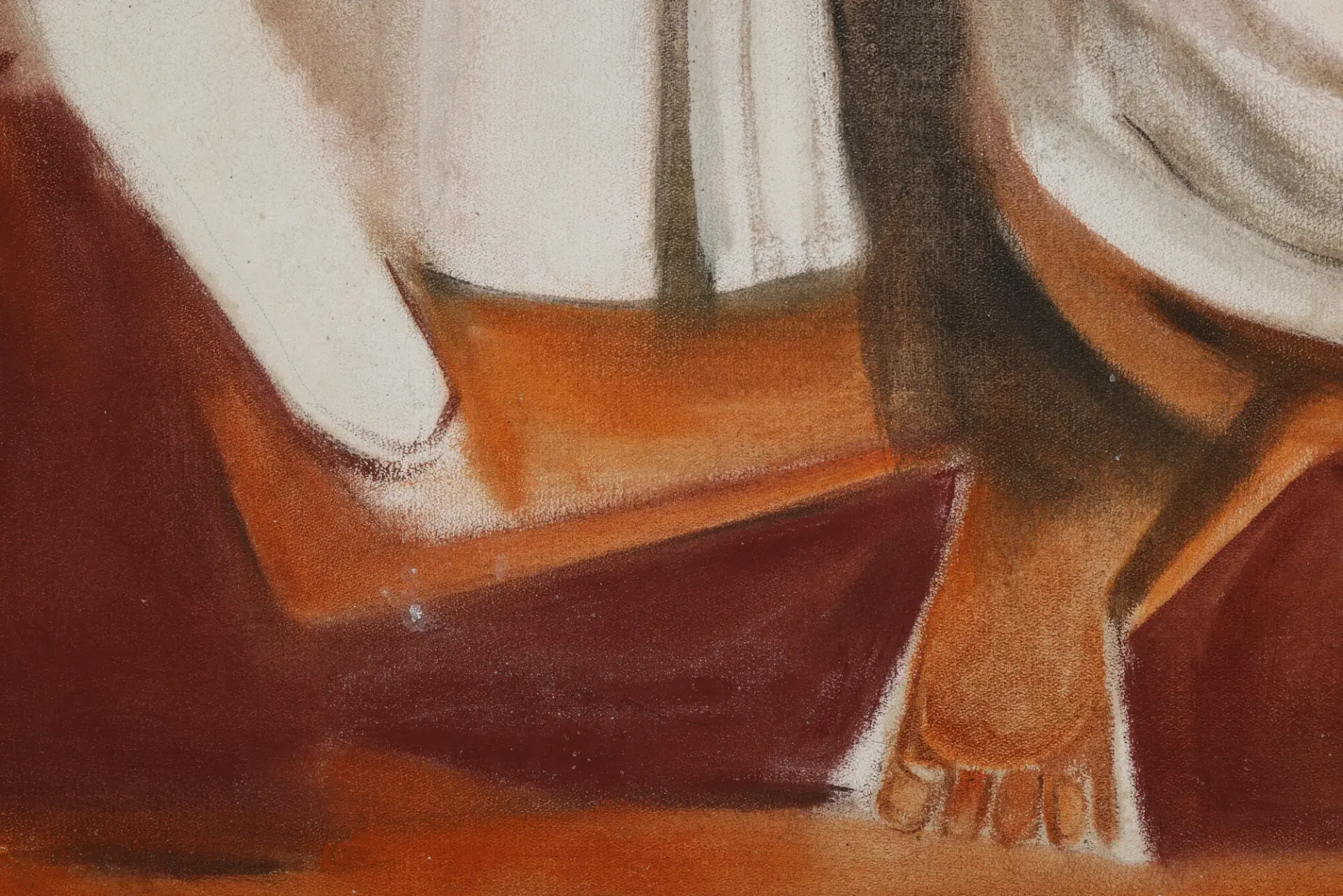
PRESERVATION · 02
An Inheritance
A recipe outlives its maker.
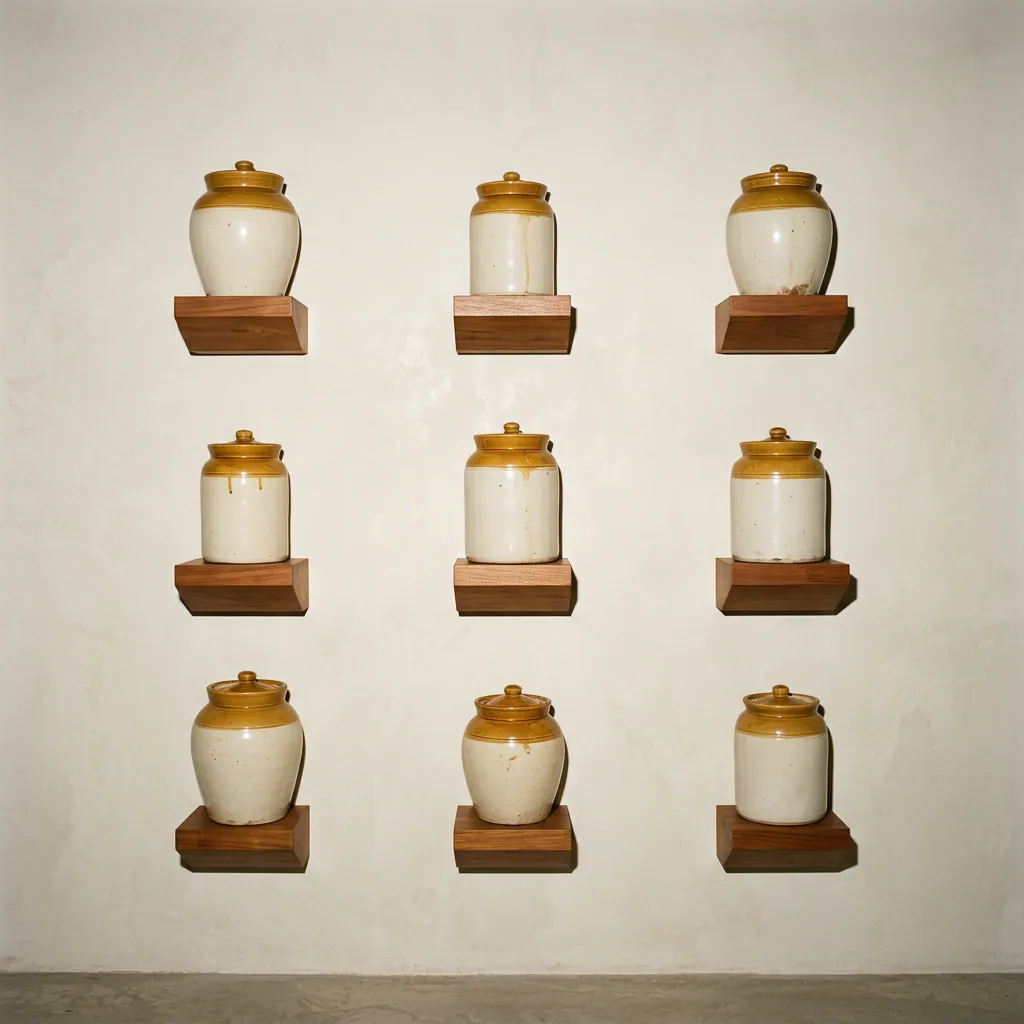
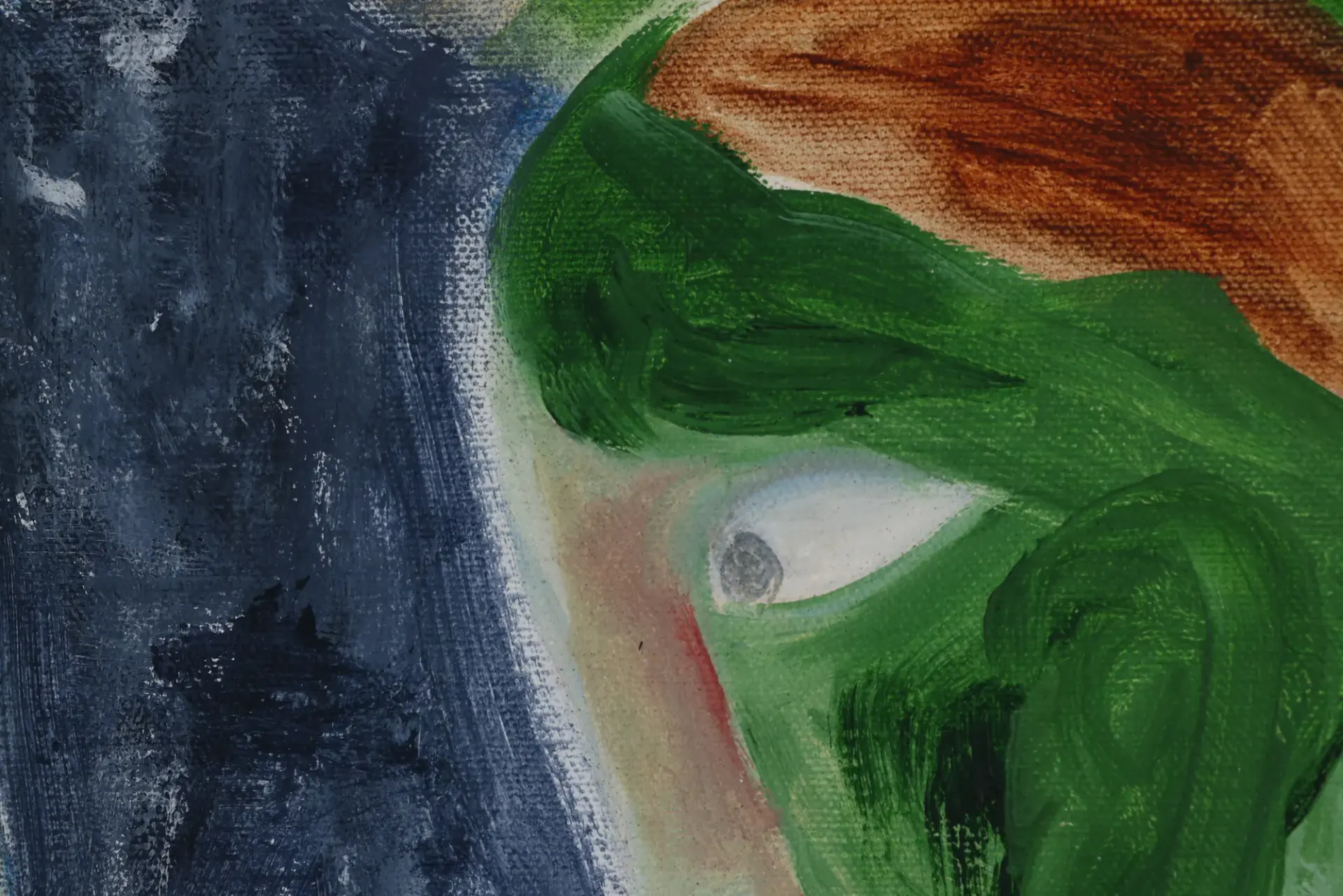
PRESERVATION · 03
A Record
Kept open, added to.
04 · THE REGION / THE SCOPE
The territory is not a single story. Modern art in the Telugu regions emerged in parallel — in the Deccan around Hyderabad, along the coast from Rajahmundry to the delta, and across the interior of Rayalaseema — shaped by geography, institutions, migration, caste, labour, language and craft.
No single account can hold it, and we will not force one. The task is to reconstruct these histories from the evidence up, across the whole region, giving the Deccan, the Coast and Rayalaseema equal standing.
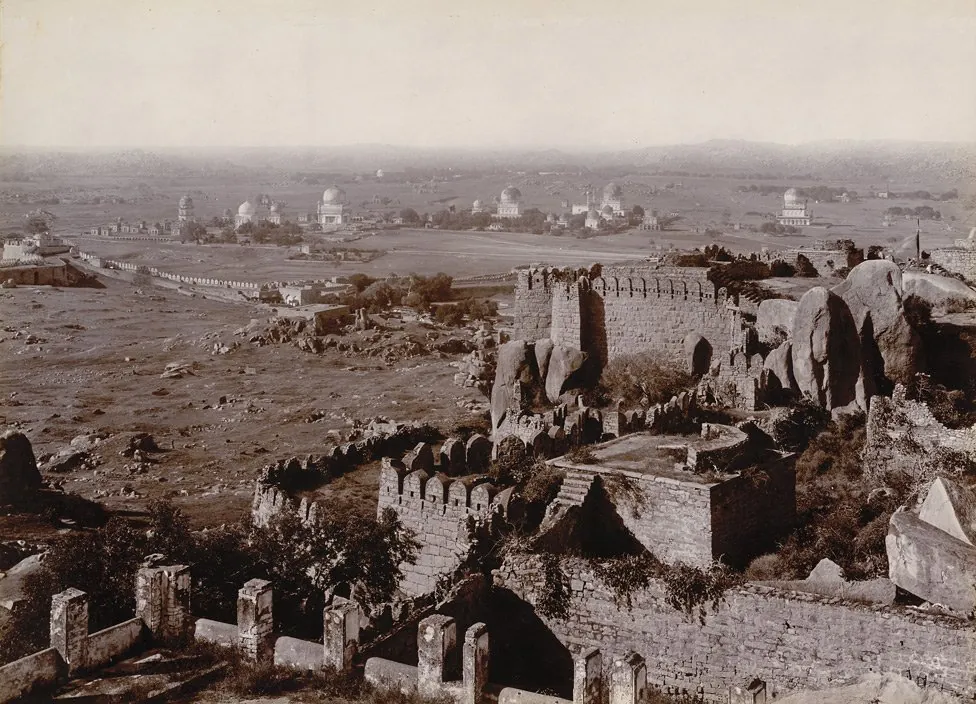
Qutb Shahi Tombs, Golconda, 1902–03. British Library. Public domain.
Hyderabad's modern art took shape inside its institutions — art schools, colleges, print workshops — as court patronage gave way to public teaching from 1940 onward. The city drew artists from elsewhere in the region and beyond; its modernism is institutional before it is stylistic.
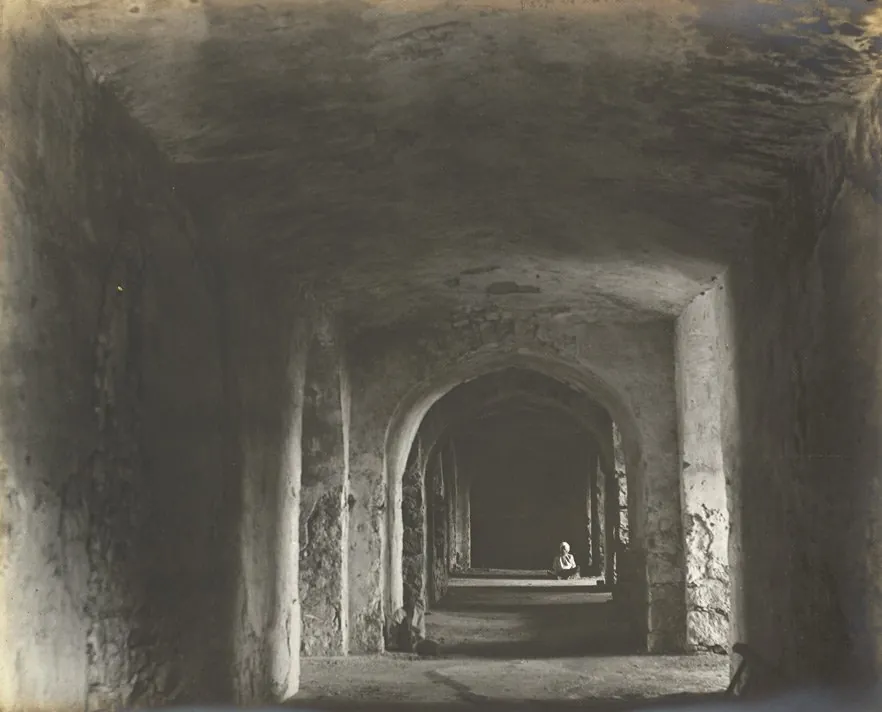
Interior view of the palace, Kondapalli, Kistna District, 1898. Archaeological Survey of India / British Library. Public domain.
The starting point of this research sits here: Rajahmundry, and the circle that formed around it from the early 1900s. Along the delta and the coast — print culture, riverine and civic life, the port city of Visakhapatnam — the region's modern visual language took early, distinct shape.
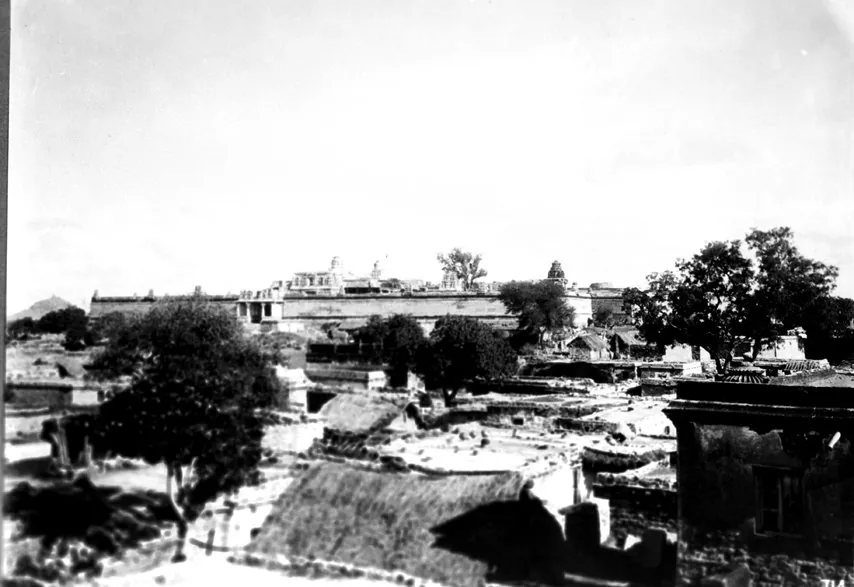
Veerabhadra Temple, Lepakshi, 1951. Archaeological Survey of India. Public domain.
The interior geography — aridity, agrarian life, migration, pastoral and religious visual traditions, and long-standing ties to Bengaluru, Chennai and Baroda. Rayalaseema is not a later addition to this research. It stands at equal status with the Deccan and the Coast from the outset, and its evidence is still being built.
05 · THE METHOD / THE WORK
Question. Source map. Fieldwork. Object study. Oral history. Archive recovery. Translation. Verification. Only then, interpretation.
Begin with what is missing, unresolved, or at risk of loss.
Identify the people, places, papers and objects from which evidence may be built.
Go to the region and encounter the conditions in which the record survives.
Attend to the work itself before assigning it a larger meaning.
Record living memory while its witnesses can still speak.
Find and preserve dispersed photographs, letters, catalogues and papers.
Make regional-language evidence accessible without flattening its specificity.
Test the record against objects, documents and independent testimony.
Only then, construct an account that remains open to better evidence.
01Documentation before interpretation.
02Evidence before mythology.
03Regional specificity before generalisation.
04Scholarly openness before institutional certainty.
We would rather leave a question open than close it too early.
07 · PUBLIC PROGRAMME
A public programme where a single artist, object or unresolved question opens a room of serious conversation — process, evidence and argument, held in the open. The museum sets the table; the discipline does the rest.
Enter the room.
08 · WRITING PROGRAMME
Research writing from the museum — essays, field notes and object studies, published as the archive is built. Not commentary, not news: each piece must add evidence, explain evidence, or make it accessible. The first notes will appear as the first research is verified.
The first field notes are in preparation.
Read Field Notes09 · CUSTODIANSHIP
Our first product is not an exhibition. It is a body of knowledge.
Our second is not a feed. It is public understanding.
Our third is not a marketplace. It is trust.
Histories survive because someone chooses to keep them. This work needs custodians.
Works, photographs, letters, catalogues, memory
Custodianship
Works, photographs, letters, catalogues, memory